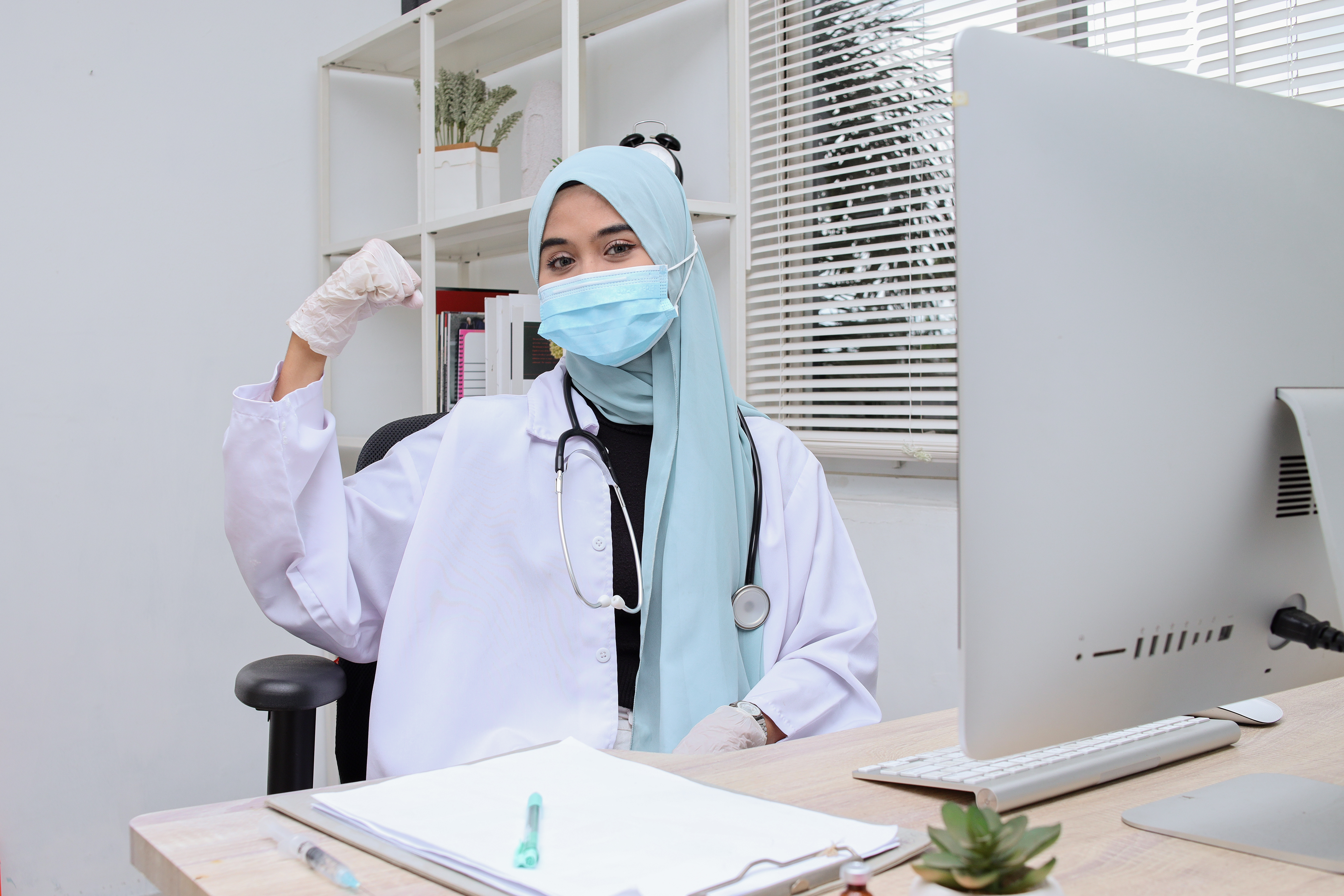
Finding a medical job in Dubai involves a clear process of credential verification, licensing, and strategic job search planning. Doctors must validate their medical degrees, complete DataFlow Primary Source Verification, and obtain a Dubai Health Authority (DHA) license by passing the Prometric exam. With at least two years of post-internship clinical experience and documentation from a World Directory-listed institution, you can begin applying for positions through online job portals or specialized recruitment agencies. This step-by-step guide explains how to navigate Dubai’s competitive healthcare job market.
1. Understanding Dubai’s Medical Licensing Requirements
Dubai’s licensing system, administered by the Dubai Health Authority (DHA)
Requires all doctors to:
- Hold a medical degree recognized by DHA
- Complete a one-year internship
- Demonstrate two years of post-internship clinical experience
- Pass the DHA Prometric examination
Foreign doctors must also undergo Primary Source Verification (PSV) via DataFlow and prove English proficiency if applicable. DHA licenses are categorized for General Practitioners, Specialists, and Consultants, with each level having specific qualification criteria. Licenses from other Gulf countries do not bypass Dubai’s verification process.
2. Gathering Essential Documents

Doctors must compile a complete portfolio for DHA licensing:
- Medical degree and transcripts from a World Directory-listed university
- Internship and post-graduate certificates
- Professional license and Good Standing Certificate
- Passport and recent photographs
All documents not in English or Arabic require official translation. Surgical specialists must submit a detailed logbook. Attestation through your country’s Ministry of Education and UAE embassy is mandatory. Professional verification through DataFlow confirms your credentials for DHA approval.
3. Preparing for the DHA Licensing Exam
The Prometric exam evaluates clinical knowledge, UAE healthcare regulations, and medical practice standards.
Preparation tips include:
- Follow DHA’s exam syllabus and specialty guidelines
- Use specialty-specific medical texts and practice questions
- Take structured courses or online mock exams
- Allocate 3–6 months for dedicated study
You are allowed three attempts for exam success, and passing is essential for final license activation.
4. DHA Licensing Exam Format
Key details of the licensing exam:
- Computer-based MCQs: 150 questions in 165–180 minutes
- Oral assessments for selected specialties
- Exam content: anatomy, physiology, pathology, pharmacology, and clinical scenarios
- Passing score: 60–75% depending on specialty
- Exam frequency: quarterly (January, April, July, October)
Results are typically available within 2–5 working days and remain valid for one year for license activation.
5. Study Resources for DHA Exams

Successful exam preparation involves:
- Official DHA study materials and downloadable syllabi
- Specialty-specific textbooks and online courses
- Peer discussion forums and professional study groups
- Mock exams with analytics to track weak areas
Staying updated on UAE healthcare standards ensures both exam success and professional competency.
6. Creating a Healthcare-Focused Professional Profile
A professional profile must highlight your expertise and DHA verification:
- Well-formatted CV tailored to UAE healthcare standards
- Verified credentials and certificates through DataFlow
- Digital portfolio with de-identified case studies, research publications, and procedural documentation
Professional CV Tips

- Header with full name, UAE contact info, and professional email
- Focused professional summary and specialization
- Education and licensing credentials in reverse chronological order
- Employment history with measurable achievements
- Skills and language proficiency, prioritizing English and Arabic
7. Medical Licensing Documentation Setup
Prepare your documentation carefully for the DHA Sheryan portal:
- Passport, photograph, and attested educational certificates
- Primary Source Verification via DataFlow
- Good Standing Certificate issued within the last 6 months
- Surgical logbooks for specialists
- At least two years of clinical experience post-internship
8. Navigating Job Platforms and Recruitment Agencies
Doctors can access jobs via:
- DHA Sheryan portal
- Healthcare job portals: Bayt.com, GulfTalent
- Specialized recruitment agencies: Medacs Healthcare, Doctor Expat
- Hospital career pages: American Hospital Dubai, Mediclinic
Maintain updated profiles, customize applications, and highlight specialty experience to stand out.
9. Mastering the Medical Interview Process
Dubai’s medical interviews combine clinical assessments with cultural evaluation:
- Multiple Mini-Interviews (MMIs) and scenario-based questions
- Assess emergency protocols, drug management, and ACLS skills
- Demonstrate communication skills, cultural adaptability, and knowledge of DHA regulations
Prepare with scenario practice, UAE healthcare system familiarity, and strong clinical reasoning.
10. Completing Visa and Document Authentication
Before starting work, ensure proper visa and document compliance:
- Attest medical degrees, licenses, and experience certificates through MOHAP
- Complete medical fitness tests at approved UAE centers
- Submit labor contracts and residency documents via ICP portal
- Golden Visa eligibility: AED 30,000 monthly salary and evidence of exceptional contributions
11. Starting Your Medical Career in Dubai
Steps to launch a successful medical career:
Career Component | Action Required | Expected Outcome |
Clinical Practice | Join DHA-approved facilities | Gain local experience |
Professional Network | Attend medical conferences | Build industry contacts |
Skill Development | Complete CME programs | Enhanced credentials |
Career Growth | Pursue specializations | Advanced positions |
Focus on specialties in cardiology, oncology, orthopedics, and emergency medicine, and familiarize yourself with digital health platforms like Nabidh. Key recruitment hubs include Rashid Hospital, Mediclinic City Hospital, and American Hospital Dubai.
Frequently Asked Questions
Q: What is the average monthly salary for doctors in Dubai?
A: AED 14,345–160,000 tax-free depending on specialty and experience, with housing, insurance, and airfare benefits included.
Q: Can doctors sponsor family members?
A: Yes, with minimum salary requirements (AED 3,500–4,000), you can sponsor spouses and children. Golden Visa holders enjoy extended family sponsorship benefits.
Q: How long does the job application process take?
A: Typically 6–12 months, including licensing, verification, and placement.
Q: Are part-time or locum positions available?
A: Yes, flexible schedules are offered, including temporary coverage, on-call shifts, and virtual consultations.
Q: Is Arabic mandatory for practice?
A: No, English proficiency is required. Basic Arabic enhances patient communication but is not mandatory.