
Robotic surgery is rapidly redefining healthcare innovation in Dubai, positioning the city as a global leader in advanced surgical care. From cutting-edge robotic systems that improve surgical precision to cost-effective medical tourism and a highly trained specialist workforce, Dubai is setting new benchmarks in modern medicine. Discover the three key ways robotic surgery is shaping the future of healthcare in Dubai and elevating patient outcomes across the region.
Advancing Medical Tourism Through Robotic Surgery in Dubai
Dubai has emerged as a premier destination for robotic medical tourism by strategically integrating advanced robotic surgical technologies into its healthcare ecosystem. The UAE’s medical tourism market is projected to reach USD 4.4 billion by 2033, driven by high-quality care and competitive pricing.
Patients traveling to Dubai can save 25% to 40% on robotic procedures compared to costs in the US and Europe. Regulatory approvals for world-class robotic systems have enabled precision-driven treatments in specialties such as orthopedics, cardiology, oncology, and urology. Internationally accredited hospitals now offer streamlined medical travel experiences, attracting more than 691,000 health tourists in 2023.
Dubai platforms like Dubai Health Experience (DXH) enhance this appeal by combining robotic surgery packages with luxury accommodations, concierge services, and multilingual support. This integrated approach positions Dubai as a top global hub for technologically advanced and patient-centric medical care.
Improving Patient Outcomes With High-Precision Robotic Surgery
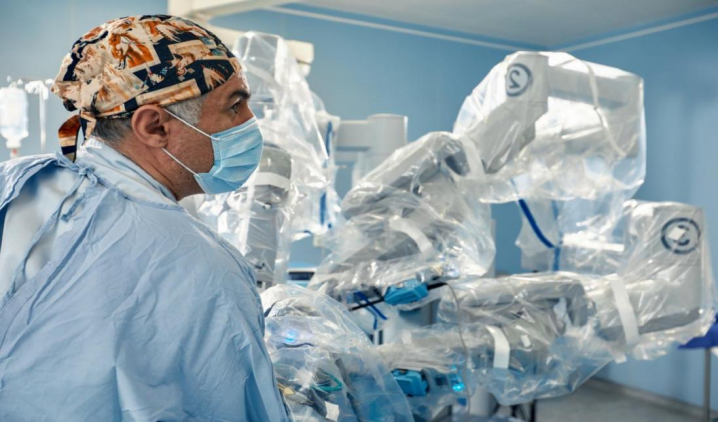
Robotic surgical systems in Dubai’s leading hospitals are transforming patient outcomes through unmatched precision, control, and visualization. Technologies such as high-definition 3D imaging and robotic micro-movements allow surgeons to perform complex procedures with greater accuracy than traditional methods.
Dubai currently operates multiple Da Vinci robotic surgery systems across key specialties, contributing to faster recovery times, reduced postoperative pain, and lower complication rates. The UAE robotic surgery market is projected to reach USD 524.5 million by 2030, reflecting growing adoption and patient demand.
Key benefits of robotic surgery include:
- Smaller incisions
- Shorter hospital stays
- Reduced infection risk
- Faster return to daily activities
Patients typically experience hospital stays of 1–3 days and recovery times of 2–4 weeks, compared to significantly longer durations with conventional surgery.
Developing a World-Class Robotic Surgery Workforce in Dubai
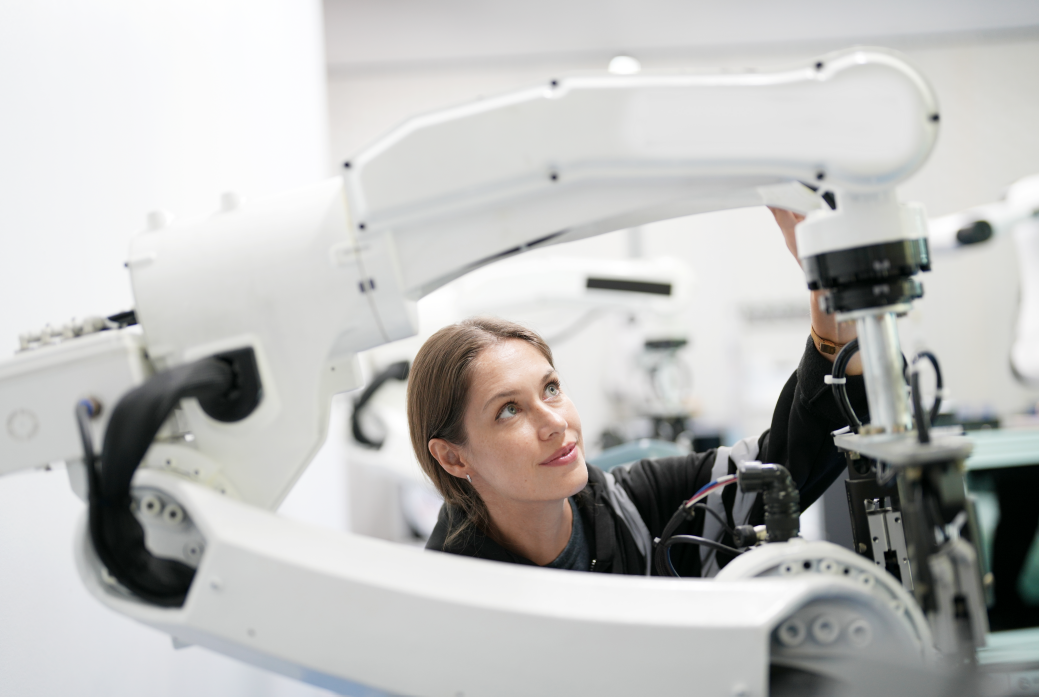
Dubai’s investment in robotic surgery extends beyond technology to building a highly skilled and future-ready medical workforce. The healthcare professional population grew from 39,548 in 2019 to 58,788 in 2023, driven by targeted recruitment and advanced training programs.
Hospitals prioritize rigorous robotic surgery certification, requiring surgeons to master traditional techniques before transitioning to robotic platforms. Institutions such as American Hospital Dubai, with 15 Da Vinci-certified surgeons, and Burjeel Medical City, which completed 470 robotic surgeries in its first year, highlight this commitment.
Hands-on simulation labs, AI-enabled surgical planning, and international talent attraction initiatives—such as Dubai’s Opportunities Platform—continue to strengthen the city’s surgical expertise. This comprehensive approach ensures Dubai remains a global center for robotic surgery innovation and excellence.
Frequently Asked Questions (FAQ)
What Is the Cost Difference Between Robotic Surgery and Traditional Surgery?
On average, robotic surgery costs $1,700–$2,000 more than traditional open surgery. This price difference is mainly due to advanced robotic equipment, specialized surgical instruments, and disposable components. While a robotic procedure typically costs around $7,280, compared to $5,554 for traditional surgery, the overall expense can vary based on the hospital, procedure type, and surgeon expertise. Many patients find that shorter recovery times, reduced hospital stays, and fewer complications help offset the higher upfront cost.
How Long Does It Take to Become Certified in Robotic Surgery?
Surgeons usually require 6 months to 2 years to obtain robotic surgery certification after completing their surgical residency. The training process includes a structured curriculum, simulator-based learning, and 10–20 supervised robotic procedures, including 3–10 proctored cases. Certification timelines depend on case volume, specialty, and institutional requirements. Ongoing practice, regular performance evaluations, and maintaining minimum case numbers are essential to retain certification.
Is Robotic Surgery Covered by Insurance in Dubai?
Yes, most major insurance providers in Dubai cover robotic surgery, subject to policy terms, coverage limits, and patient eligibility. Coverage varies depending on the insurer and procedure type. Commonly covered robotic procedures include prostate surgery, hysterectomy, and selected cancer treatments. Patients are advised to contact their insurance provider directly to confirm pre-authorization requirements, coverage eligibility, and network hospital status before scheduling surgery.
What Are the Maintenance and Downtime Requirements for Robotic Surgical Systems?
Robotic surgical systems require regular preventive maintenance to ensure safety and optimal performance. This includes daily system checks, weekly deep cleaning, software updates, calibration, and periodic replacement of components. Manufacturers typically recommend quarterly comprehensive servicing, which may result in 24–48 hours of system downtime. Hospitals must strictly follow manufacturer guidelines to maintain system reliability and surgical accuracy.
How Do Robotic Surgery Success Rates Compare Across Dubai Hospitals?
Dubai’s leading hospitals report consistently high success rates for robotic-assisted surgeries. Clemenceau Medical Center has achieved an impressive 99.5% success rate in specialized procedures, while American Hospital Dubai has performed over 2,000 successful robotic surgeries since 2020. Cleveland Clinic Abu Dhabi focuses on fewer but more complex robotic cases, maintaining strong outcomes through advanced patient selection and highly experienced surgeons. Overall, surgeon expertise and institutional standards play a key role in sustaining excellent results across facilities.