
Dubai’s healthcare system is undergoing a rapid transformation powered by artificial intelligence (AI) and robotic surgery. Since 2021, more than 925 robot-assisted procedures have been completed, showcasing the emirate’s commitment to precision medicine and digital health innovation. Advanced platforms such as the da Vinci robotic system now support minimally invasive surgeries with success rates as high as 99.1% in complex cardiac procedures.
Backed by AED 118 billion in healthcare infrastructure investments, smart hospitals, and AI-driven clinical management systems, Dubai is positioning itself as a global destination for next-generation medical care. These innovations are redefining patient outcomes, surgical accuracy, and healthcare efficiency across the region.
The Rise of AI-Powered Robotic Surgery in Dubai’s Healthcare Sector
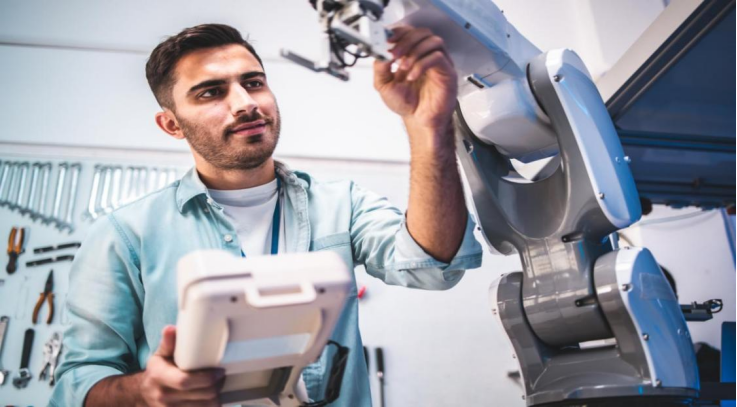
Dubai’s medical landscape has rapidly embraced AI-powered surgical robotics, transforming how complex procedures are performed across leading hospitals. Facilities such as American Hospital Dubai have adopted advanced robotic platforms like da Vinci, completing more than 100 robotic surgeries since 2021.
These systems enable surgeons to perform highly precise, minimally invasive procedures, resulting in shorter recovery times and faster returns to normal activity. Robotic command centers now allow surgeons to monitor and manage multiple operating rooms simultaneously, enhancing efficiency and safety.
Major hospitals—including Dubai Hospital, Mediclinic City Hospital, and Rashid Hospital—have expanded robotic surgery programs within strong regulatory frameworks. The results include:
- 99.1% success rates in advanced cardiac procedures
- 95% reduction in operator radiation exposure
- Improved surgical planning through real-time AI analytics
These advancements align with the UAE’s National Innovation Strategy, reinforcing Dubai’s position as a global leader in AI-driven healthcare solutions.
Breakthrough Surgical Technologies Improving Patient Care and Recovery
Dubai’s adoption of breakthrough surgical technologies has ushered in a new era of patient-centered care. AI-powered robotic systems deliver unmatched precision using high-definition 3D visualization, enhancing procedural safety and patient satisfaction.
Hospitals such as Clemenceau Medical Centre Dubai have completed over 825 robotic surgeries since 2021, supported by AED 1.5 billion in government healthcare innovation funding. Today, nearly 20% of surgeries in leading Dubai hospitals are performed robotically.
Patients benefit from:
- Smaller incisions and reduced pain
- Shorter hospital stays
- Lower infection risks
- Faster recovery times
Specialized robotic platforms, including ROSA for orthopedic surgery, enable personalized, data-driven interventions that significantly improve clinical outcomes—despite ongoing challenges related to system maintenance costs.
Dubai’s Strategic Investment in Next-Generation Healthcare Solutions
Dubai’s healthcare innovation strategy is fueled by substantial investment and long-term planning. With AED 118 billion allocated for infrastructure upgrades and projected USD 722.5 million in medical tourism revenue by 2025, the emirate is building a future-ready healthcare ecosystem.
Smart hospital initiatives integrate:
- AI-powered clinical management
- Blockchain-based data security
- Predictive analytics for personalized care
Dubai is also targeting USD 2.5 billion in pharmaceutical R&D and manufacturing investments, supported by public-private partnerships offering returns of up to 50%. Plans include the construction of three new hospitals by 2033, expanding access to advanced medical services across specialties.
Healthcare Investment Trends Driving Innovation in Dubai
Dubai’s healthcare sector continues to attract strong investment momentum. Government healthcare spending reached AED 21.4 billion in 2022, growing at a 6% CAGR, while private sector participation is expanding at 9.5% annually.
Key trends include:
- Smart hospitals powered by AI and IoT
- Growth of healthtech startups and digital platforms
- Increased involvement from sovereign wealth funds such as Mubadala and ADQ
With 98% insurance coverage and the healthcare market projected to reach USD 50 billion by 2029, Dubai is experiencing a dynamic shift toward technology-driven healthcare financing models.
Smart Hospital Development and Digital Healthcare Infrastructure
Dubai’s smart hospital development strategy is anchored by AED 1.3 billion in infrastructure investments, including the expansion of Dubai Healthcare City Phase 1, scheduled for completion in November 2027.
Key features include:
- AI-enabled predictive diagnostics and automated workflows
- Smart auditing platforms for regulatory efficiency
- Modular, adaptable medical spaces for future technologies
- Sustainable, LEED Platinum-certified healthcare facilities
These developments support Dubai’s vision of a digitally integrated, globally competitive healthcare ecosystem.
Dubai’s Leadership in Medical Innovation and Robotic Surgery
With more than USD 250 million invested in AI-driven robotic surgery systems, Dubai has established itself as the Middle East’s leading medical innovation hub. Strategic partnerships with global MedTech companies through initiatives like Dubai Future Accelerators further reinforce this position.
AI-enabled surgical platforms have delivered:
- 30% reduction in surgical complications
- 25% shorter hospital stays
- Enhanced diagnostics, including AI-powered imaging systems processing up to 2,000 scans daily
Dubai’s advanced infrastructure and global connectivity continue to attract international patients, clinicians, and investors.
Advanced Robotic Surgery Training and Clinical Excellence
Dubai is also building excellence through advanced surgical training. American Hospital Dubai’s robotic surgery training hub, developed in partnership with global leaders like CMR Surgical, provides comprehensive education using platforms such as Versius® and da Vinci.
Training programs include:
- Simulation-based learning and hands-on surgical practice
- High-definition 3D visualization with 25x magnification
- Multidisciplinary team training and standardized certification
This robust ecosystem accelerates technology adoption while maintaining the highest clinical standards.
Success Stories: Hospitals Leading Robotic Surgery in Dubai
Dubai’s top hospitals are setting regional benchmarks in robotic surgery. Clemenceau Medical Center Dubai has completed over 825 robotic surgeries, while American Hospital Dubai has surpassed 2,000 procedures since 2020.
As the region’s first private-sector Center of Excellence in Robotic Surgery, American Hospital Dubai demonstrates superior outcomes across multiple specialties, supported by ongoing surgeon training and certification programs.
Positioning Dubai as a Global Hub for Advanced Medical Procedures
Dubai’s strategic integration of AI, robotic surgery, and digital health has accelerated its rise as a global medical tourism destination—competing with established markets like Thailand and India.
Key advantages include:
- JCI-accredited hospitals attracting 691,000+ international patients annually
- AI-driven diagnostics and personalized treatment planning
- IoT-enabled remote monitoring and preventive care
- Competitive treatment packages combined with luxury hospitality
With a projected CAGR of 19.84% through 2033, Dubai is firmly positioned as a world-class hub for advanced medical procedures and healthcare innovation.
Frequently Asked Questions (FAQ)
What Insurance Plans Cover Robotic Surgery in Dubai?
Most major private health insurance providers in Dubai cover robotic-assisted surgeries, although coverage depends on the policy tier and benefits structure. Premium insurance plans typically offer broader coverage with lower out-of-pocket expenses, while basic plans may involve higher copayments or partial coverage. Pre-authorization is usually required, and patients should confirm coverage details in advance. Leading hospitals such as Mediclinic and American Hospital Dubai support direct billing through approved insurance networks for eligible robotic procedures.
What Is the Average Waiting Time for Robotic Surgery in Dubai?
Waiting times for robotic surgery in Dubai are generally short, particularly in private hospitals, where patients can often schedule procedures within 1–2 days. Medical tourists may benefit from even faster appointment availability. In public hospitals, waiting times may range from several days to a few weeks, depending on case urgency. Advanced scheduling systems and AI-driven surgical planning have helped reduce overall wait times by up to 50%, allowing hospitals to maintain efficient surgical workflows.
Are There Age Limits for Robotic Surgery Patients?
There are no universal age restrictions for robotic-assisted surgery. Patient eligibility is based on overall health, medical necessity, and surgical suitability, rather than age alone. All patients undergo comprehensive preoperative assessments to evaluate anesthesia tolerance, existing medical conditions, and procedure-specific risks. Both pediatric and elderly patients may qualify, provided they meet the required clinical criteria.
What Happens if a Technical Issue Occurs During Robotic Surgery?
Robotic surgery systems are designed with multiple safety protocols, and technical issues are rare, occurring in approximately 0.1–0.5% of procedures. If a malfunction occurs, surgeons are fully trained to troubleshoot the system or immediately convert to laparoscopic or open surgery. Hospitals maintain contingency plans to ensure uninterrupted patient care, and patient safety remains the top priority throughout the procedure.
Can Patients Choose Between Robotic and Traditional Surgery in Dubai?
Yes, patients in Dubai can generally choose between robotic-assisted and traditional surgical approaches. The Dubai Health Authority (DHA) supports patient autonomy while ensuring all surgical decisions are clinically appropriate. During preoperative consultations, patients engage in shared decision-making with their surgical team, taking into account medical condition, surgeon expertise, and personal preferences. However, not all cases are suitable for robotic surgery, and final eligibility depends on individual health factors and procedural requirements.